October 13, 2026
Cash Offer vs. Listing vs. Auction: The Best Way to Sell Your Classic Car
There's no single best way to sell a classic car. There's a best way for your car, your timeline and your tolerance for hassle. A seller who needs the garage space by the end of the month should make a different choice from a seller with a fully documented, matching-numbers car and no deadline.
Below we compare the four main options side by side: cash offer, private listing, online auction and dealer consignment. Then we explain how to choose.
The quick comparison
| Cash offer | Private listing | Online auction | Dealer consignment | |
|---|---|---|---|---|
| Speed | Fastest (days) | Weeks to months | ~1–2 weeks of prep + a 7-day auction (on BaT) | Weeks to months |
| Your effort | Very low | High (calls, showings, test drives) | Medium-high (photos, docs, answering comments) | Low |
| Price | Below top retail; you're paying for speed and certainty | Potentially highest, if priced right | Can be strong, but it's market-on-the-day | Retail minus the dealer's fee |
| Certainty | High: a firm number | Low until a buyer commits | Medium: the reserve may not be met | Medium |
| Upfront cost | None | $49 on RareCars.com | $99+ listing fee on BaT, if accepted | Varies by dealer |
Option 1: Cash offer
How it works: you send photos and details, get a firm offer, and if you accept, the buyer pays and picks up the car.
Best for: - inherited cars and estate sales - moves, divorces and downsizing - project cars and unfinished restorations - anyone who values a fast, certain close over squeezing out the last dollar
Pros: - No strangers in your driveway. - No negotiating with tire-kickers. - No weeks of waiting. - You know exactly what you'll get.
Cons: - A cash buyer has to resell the car, so the offer will usually be below what a perfect private sale might bring. - The tradeoff is time, effort and risk.
The RareCars.com Fast Cash Offer: - Ramil, our founder, personally reviews every car. You're not dealing with an algorithm. - We respond within 24 hours, and offers are valid for 7 days, so you have time to compare. - Payment is by bank wire, cashier's check or cash.
Tip: get a cash offer even if you plan to list. A firm offer is the best reality check on your asking price, and it gives you a fallback if the listing doesn't move.
Option 2: Private listing
How it works: - You set the price, write the listing and handle buyers yourself. - You keep 100% of the sale price, minus whatever the listing costs.
Best for: - sellers with a desirable, well-documented car - sellers who have time and are comfortable handling calls, inspections and test drives
Pros: - Often the highest net price. - You keep full control of price and buyer. - No commission.
Cons: - It takes time. - You screen buyers, deal with scams and arrange inspections yourself. - Overpricing is the #1 reason classic listings go stale.
On RareCars.com: - A private listing is $49 one time, and it stays live until the car sells. - No commission and no auction deadline. - Your car appears next to inventory from established Bay Area dealers, in front of enthusiast buyers.
See private seller pricing or list your car.
For safety and paperwork steps, see How to Sell a Classic Car in California (2026 Guide).
Option 3: Online auction
How it works: - You submit the car and the platform decides whether to accept it. - If accepted, a timed auction runs and bidders compete. - You can usually set a reserve.
What it costs (Bring a Trailer, as published Oct 2026): - Seller: $99 for a Classic listing, or $429 with professional photo and video ("Plus"). - Buyer: a 5% fee on top of the winning bid, minimum $250 and capped at $7,500 for most vehicles. - Submitting is free, and the seller pays only if the car is accepted.
Source: bringatrailer.com/how-bat-works. Other online auctions publish their own fee schedules, so check before you submit.
Best for: cars with strong enthusiast demand, where competitive bidding can push the price up.
Pros: - Huge audience. - A hard deadline creates urgency. - Public results build price transparency.
Cons: - Not every car gets accepted. - The buyer's fee comes on top of the bid, which can affect what bidders are willing to pay. - You need a lot of photos and documentation. - You'll answer questions in public comments for the full auction. - If the reserve isn't met, you've spent time and money and still own the car.
Our take: auctions work best for well-documented cars with a clear market. For a car with a story that's hard to tell in comments, or a seller who doesn't want the public scrutiny, a listing or a cash offer is often the better fit.
Option 4: Dealer consignment
How it works: a specialist dealer markets and sells the car for you, usually from their showroom. They're paid a fee or a percentage of the sale. Terms vary a lot by dealer, so get them in writing.
Best for: sellers who want retail-level exposure without the work, and who are fine waiting.
Pros: - Professional presentation. - The dealer handles buyers, inspections and paperwork. - Showroom foot traffic.
Cons: - Fees. - Less control over price and timing. - The car is out of your hands.
Ask every consignment dealer: 1. What's the fee, and is there a minimum? 2. Who pays for detailing, photos and transport? 3. How long is the agreement, and how do I end it? 4. How is the car insured while it's with you? 5. How and when am I paid after the sale?
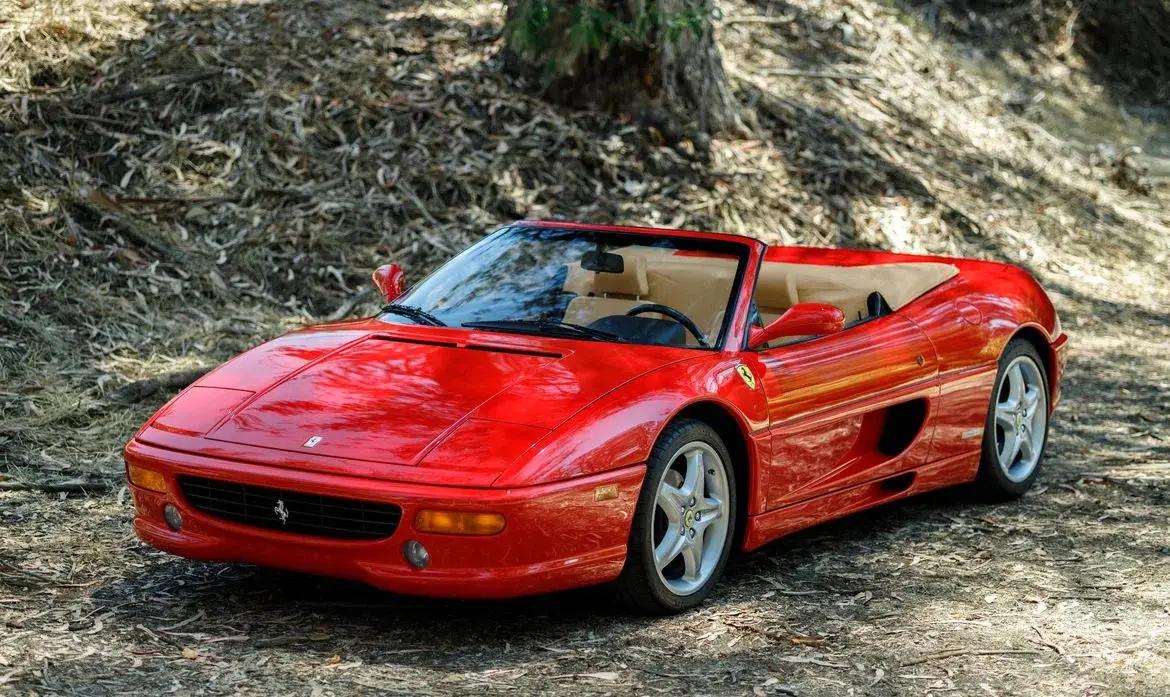
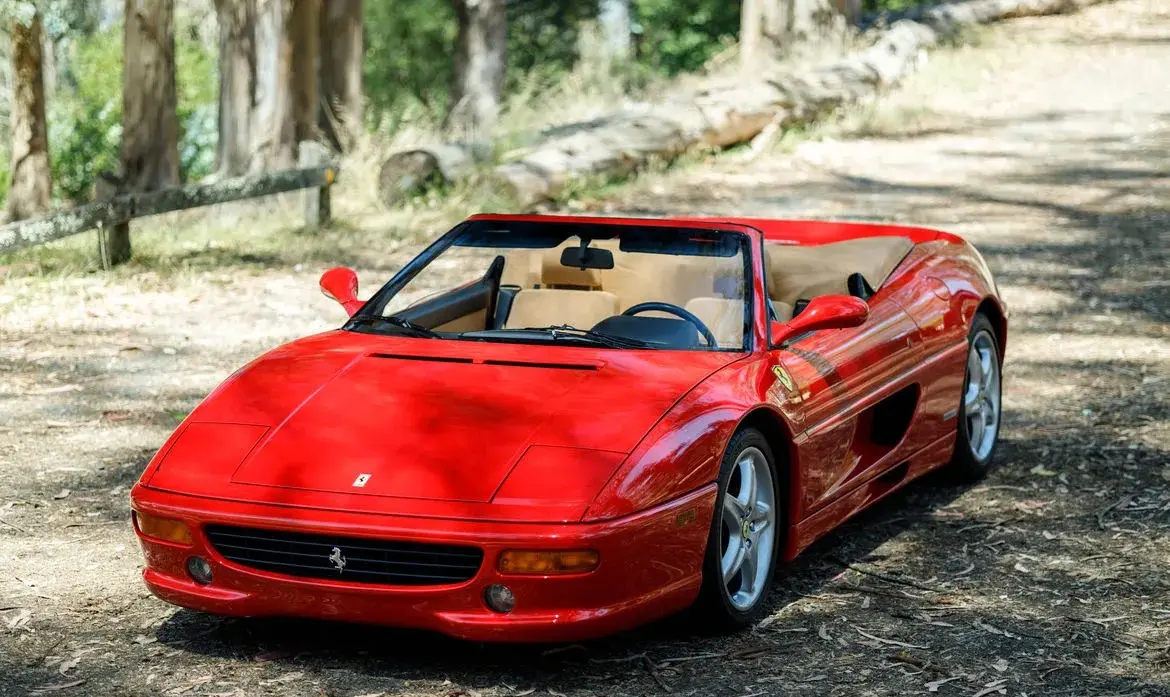
Many specialist dealers take consignments; ask each one about their terms. Browse classic car dealers near you to see who sells cars like yours. For example, Fantasy Junction in Emeryville has modern classics like this 1998 Ferrari F355 Spider.

How to choose: 4 questions
- When do you need the money or the space? Within 2 weeks, a cash offer. If you have months, a listing or consignment.
- How good is the documentation? Strong records and originality favor an auction or listing. Gaps and unknowns favor a cash offer or consignment, where a professional absorbs the uncertainty.
- How much hassle will you accept? If phone calls and test drives sound miserable, cross off the private listing.
- What's your walk-away number? If a cash offer meets it, a faster, certain sale may beat a slower, uncertain one. The months of insurance, storage and price cuts you avoid are real money.
The hybrid approach most sellers miss
You don't have to pick just one. A common, low-risk sequence:
- Get a cash offer first. It's free and gives you a firm floor in 24 hours.
- List privately for $49 at a price above that floor.
- If the listing doesn't move within your timeline, take the offer (or ask for a fresh one if the 7-day window has passed), or move to consignment or auction.
FAQ
Is a cash offer for a classic car always lower than a private sale? Usually it's below the best possible private sale, because the buyer takes on resale risk and cost. Once you subtract the time, holding costs and price cuts, the gap is often smaller than sellers expect.
How much does Bring a Trailer charge sellers? $99 for a Classic listing, or $429 with professional photo and video, as published in October 2026. Buyers pay a separate 5% fee, capped at $7,500 for most vehicles.
How fast is the RareCars.com Fast Cash Offer? Ramil, our founder, personally reviews every car and responds within 24 hours. Offers are valid for 7 days.
Selling a rare car? List it on RareCars.com for $49. It stays live until it sells.
Want a fast cash offer instead? Ramil, our founder, personally reviews every car and responds within 24 hours. Offers are valid for 7 days. Request your Fast Cash Offer →
Latest Blog
How to Sell a Classic Car in California (2026 Guide)
October 13, 2026
Ferrari 250 GT Lusso Value Guide: What Really Drives the Price
October 13, 2026