October 13, 2026
How to Sell a Classic Car in California (2026 Guide)
Selling a classic car in California isn't hard. But it has more steps than selling a daily driver, and skipping one can cost you money or leave you liable for a car you no longer own. This guide walks through the whole process: getting the paperwork ready, the smog rules, pricing, picking a sales channel, getting paid safely and filing with the DMV.
Short version: 1. Find your title. 2. Check whether the car needs a smog certificate. 3. Price it from real sold results. 4. Pick how you want to sell. 5. Take guaranteed funds only. 6. File your Notice of Transfer and Release of Liability within 5 days.
Step 1: Get your paperwork in order
Buyers pay more for a car with a clean, well-documented story. Before you list, gather:
- The California Certificate of Title (the "pink slip"). Make sure the name on it matches your ID, and check for a lienholder. If there's a lien, you'll need a lien release before the buyer can transfer the title. If the title is lost, apply for a duplicate (DMV form REG 227) before you list. A missing title is one of the fastest ways to scare off a serious buyer.
- Current registration, or a record of how long the car has been on non-operation status.
- Build sheets, window stickers, fender tags and broadcast sheets for American muscle cars, or factory certificates for European cars. These are often worth real money.
- Service and restoration records, organized by date. A simple one-page summary at the front ("engine rebuilt 2019, 1,800 miles since") helps buyers far more than a box of loose receipts.
- A VIN check. Make sure the VIN on the title matches the VIN on the car. For a classic car, also check the secondary VIN stampings where they exist.
Step 2: Understand California smog rules for classic cars
This is the question we hear most from Bay Area sellers. According to the California DMV and the Bureau of Automotive Repair (BAR):
- Gasoline-powered vehicles from model year 1975 or older are exempt from Smog Check, including at change of ownership. If your car is a 1975 or earlier gas car, you do not need to provide a smog certificate to the buyer.
- For 1976 and newer gas cars, the seller is responsible for providing a valid smog certificate at the time of sale. That certificate is valid for 90 days, so don't get it too early.
- Diesel vehicles from 1997 and older are also exempt. Cars four model years old or newer don't need a smog check on transfer; the buyer pays a smog transfer fee instead. That matters for modern collectibles.
Sources: CA DMV – Smog Inspections, BAR – Smog Check. Rules change, so check these pages before you sell.
Step 3: Price it from sold results, not asking prices
Asking prices tell you what sellers hope for. Sold prices tell you what buyers actually pay. To price a classic car:
- Look up completed sales of the same year, model and spec. Public auction results (Bring a Trailer and other online auctions) and price guides such as Hagerty's valuation tools are the usual starting points.
- Adjust for what makes your car different: matching-numbers drivetrain, originality vs. restoration quality, documentation, mileage, color and options.
- Be honest about condition. A "#2 condition" car priced like a concours car will sit unsold. Sitting unsold is the most expensive outcome, because the listing goes stale and buyers start to wonder what's wrong with it.
- Decide your walk-away number before the first call.
If you'd rather skip the guessing, a cash offer gives you a firm number to compare against (more on that below).
Step 4: Choose how you want to sell
In California, a classic car seller has four realistic options. Each one trades speed for price and effort differently. We compare them in detail in Cash Offer vs. Listing vs. Auction: The Best Way to Sell Your Classic Car. Here's the quick version:
- Private listing: you set the price, talk to buyers and keep control. On RareCars.com, a private listing is $49 one time, and it stays live until the car sells. You pay no commission. See private seller pricing or list your car.
- Cash offer: the fastest option, with no showings and no strangers test-driving your car. The RareCars.com Fast Cash Offer is reviewed personally by our founder, Ramil. You get a response within 24 hours, and offers are valid for 7 days.
- Online auction: high visibility and a hard deadline, but you need strong photos, an active comment section and a reserve you can live with.
- Dealer consignment: a local specialist handles the sale for a fee. Our Bay Area dealers can tell you their terms.
Step 5: Make the listing work
If you list, the listing is your salesperson. Five things matter most:
- Photos. Take 40+ photos in soft daylight. Include the exterior from every angle, the interior, the engine bay, the underside, the trunk, the tag and VIN plates, and the documents. Avoid harsh noon sun and cluttered backgrounds.
- A cold-start video and a short drive video. Classic car buyers want to hear the car.
- A headline with year, make, model and the key fact, e.g. "1951 Jaguar XK120 Roadster, matching numbers, 4-speed".
- An honest description. Put known flaws up front. Disclosed flaws build trust; undisclosed ones kill deals at inspection.
- A fast response time. Serious buyers contact several cars at once, and the seller who replies first usually gets the first look.
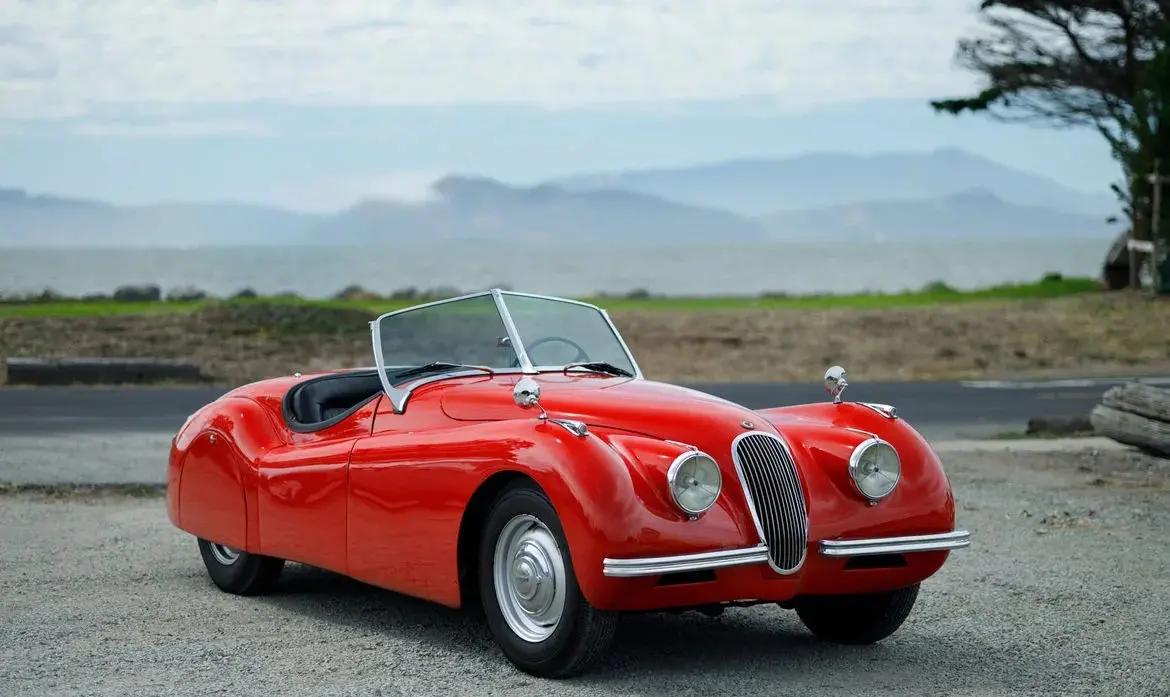
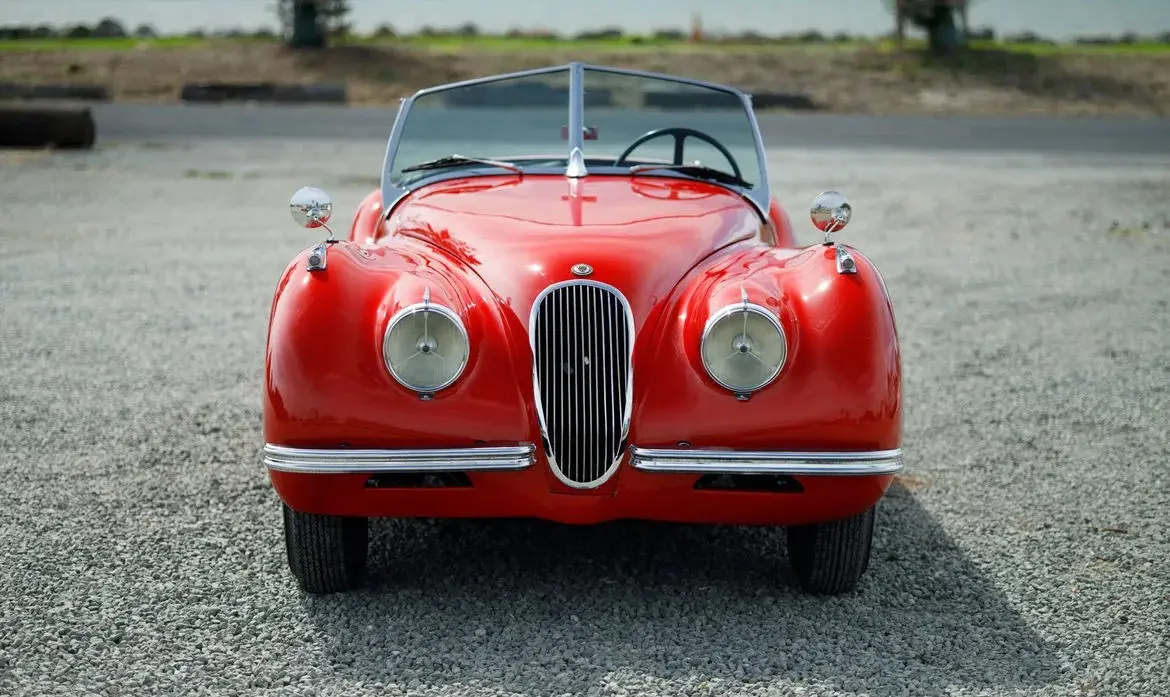
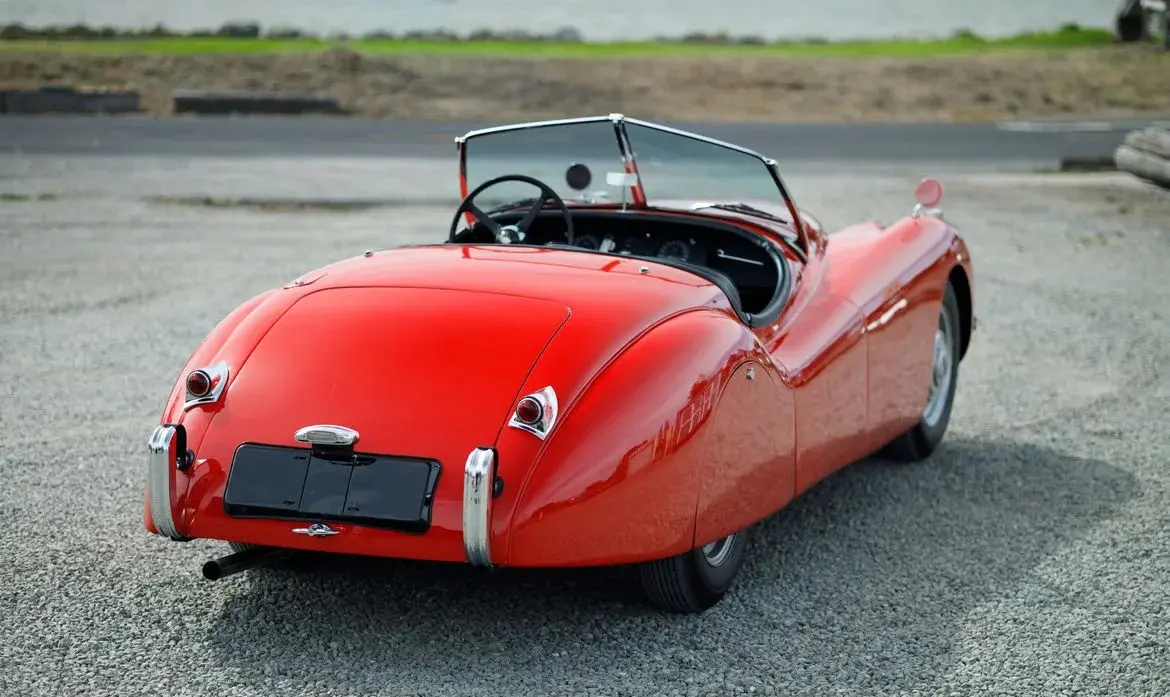
For a sense of how a well-presented classic looks online, browse current classic cars for sale on RareCars.com. For example, this 1951 Jaguar XK120 Roadster at Fantasy Junction in Emeryville is a good benchmark for photos and detail: dozens of shots, consistent light, every angle. (Bonus for California sellers: a 1951 gas car is smog-exempt.)
Step 6: Handle buyers, inspections and test drives safely
- Pre-purchase inspections are normal. Let the buyer's inspector see the car at a shop or your home, by appointment.
- For test drives, check the buyer's license and insurance, ride along, and have a set route.
- Don't ship the car or sign over the title until funds have cleared.
- Watch for common scams: overpayment "refund" requests, buyers who won't talk on the phone, pressure to use an unfamiliar escrow site, and "my shipper will pick it up before payment clears".
Step 7: Get paid safely
Accept only guaranteed funds: - a bank wire that you've confirmed has arrived in your account, - a cashier's check that you verify by calling the issuing bank at a number you look up yourself (never the number printed on the check), or - a reputable escrow service you chose.
For high-value cars, many sellers close the deal at the buyer's bank.
Step 8: Complete the California DMV paperwork
Once you're paid:
- Sign the title in the seller section and give it to the buyer with the lien release, if there was one. Record the odometer reading where required. The buyer completes the transfer and pays the fees and use tax at registration.
- Write a bill of sale. DMV form REG 135 works. List the price, date, VIN, both parties' names and "sold as-is" if that's the deal. Keep a copy.
- File a Notice of Transfer and Release of Liability (NRL) within 5 calendar days. You can file online or with form REG 138. This protects you from tickets, tolls and civil liability incurred after the sale (CVC §5602, §5900). Filing it does not transfer ownership; the buyer still has to do that. CA DMV – NRL
- Cancel your insurance only after the NRL is filed and the car is gone.
This guide is general information, not legal or tax advice. If the car is part of an estate, a business or a large capital gain, talk to a professional.
FAQ
Do I need a smog check to sell a 1972 car in California? No. Gasoline-powered vehicles from 1975 and older are exempt from Smog Check, including when ownership changes. (Source: CA DMV, BAR.)
How long do I have to report the sale to the DMV? 5 calendar days from the sale, using the online NRL or form REG 138.
What's the fastest way to sell a classic car in California? A cash offer. With the RareCars.com Fast Cash Offer, Ramil personally reviews every car and responds within 24 hours, and the offer is valid for 7 days.
How much does it cost to list a classic car on RareCars.com? $49 one time. The listing stays live until the car sells, and there's no commission.
Selling a rare car? List it on RareCars.com for $49. It stays live until it sells.
Want a fast cash offer instead? Ramil, our founder, personally reviews every car and responds within 24 hours. Offers are valid for 7 days. Request your Fast Cash Offer →
Latest Blog
How to Sell a Classic Car in California (2026 Guide)
October 13, 2026
Ferrari 250 GT Lusso Value Guide: What Really Drives the Price
October 13, 2026