In this article
Why the Bay Area Is a Great Place to Buy a Classic CarWhere to See Collector Cars in PersonClassic Car Dealers vs. Private Sellers in the Bay AreaPrice Bands: What to ExpectClassic Car Inspection ChecklistQuestions Every Seller Should Be Able to AnswerHow to Buy a Classic Car Online SafelyBrowse Classic Cars for Sale on RareCars.comFAQFew places in America have a classic car culture quite like the Bay Area. Within a couple of hours of San Jose you can walk the lawn at one of the world's longest-running concours, watch vintage race cars at full song on the Monterey Peninsula, and find a dry-climate California car that has never seen a salted road. RareCars.com is based in Campbell, CA, next to San Jose.
This guide is for anyone searching for classic cars for sale in San Jose or across the Bay Area: where to see collector cars in person, what to check before you buy, the questions every seller should be able to answer, and how to shop online without taking on extra risk.
Why the Bay Area Is a Great Place to Buy a Classic Car
Climate. Mild, dry weather is kind to old steel. Many long-term California cars have little of the rust that is common in cars from snow states, which is one reason "California car" still carries weight with collectors.
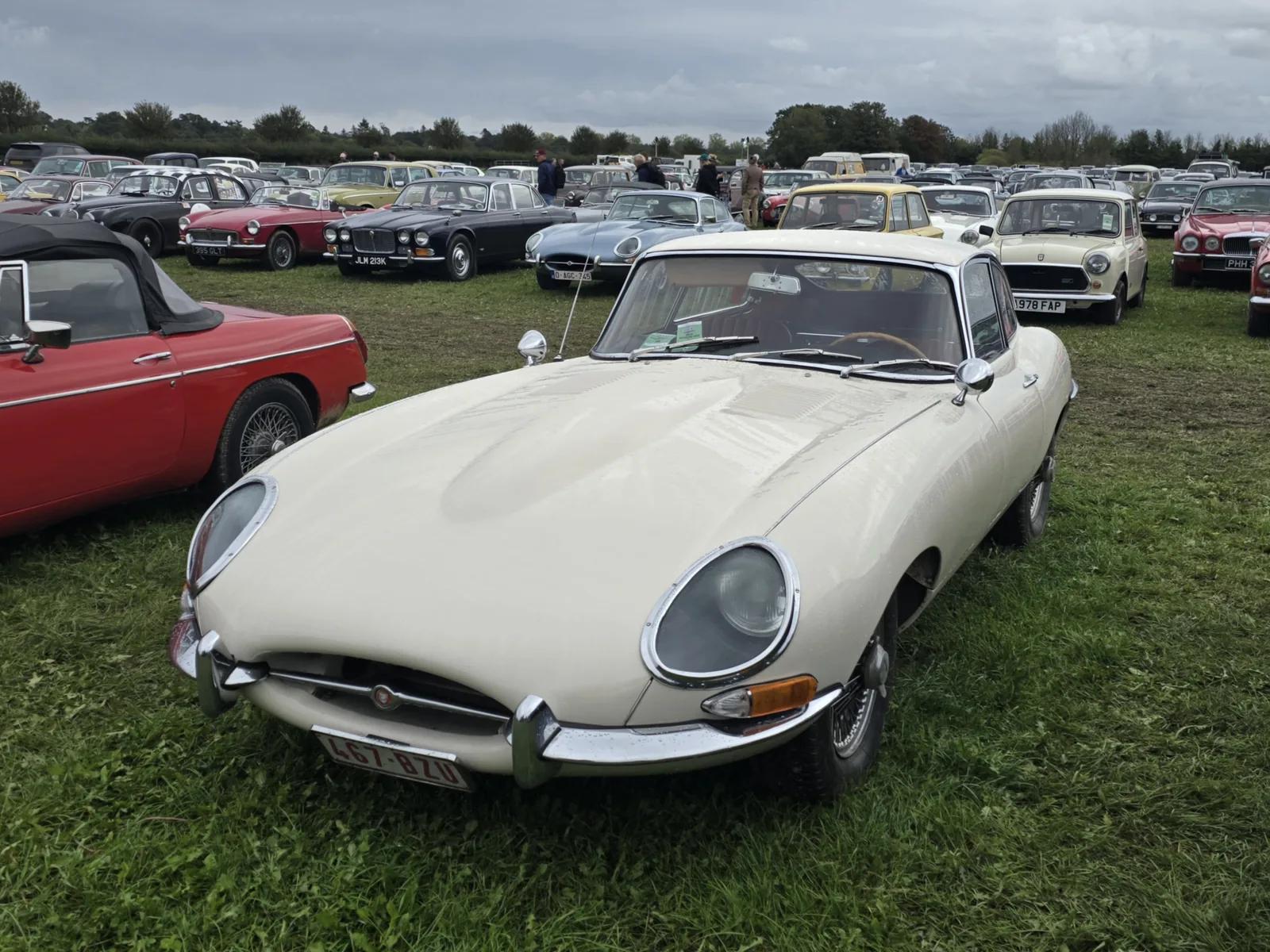
Depth of collecting. Campbell and the wider Bay Area support a large community of collectors, restoration shops, upholsterers, machine shops and marque specialists. That matters after you buy: it is easier to find someone who has worked on a Porsche 356, a Jaguar E-Type or a 1960s Ferrari before.
California rules that help classic buyers. In California, gasoline vehicles from model year 1975 and older are exempt from smog checks, including at change of ownership. For pre-1976 classics, that removes one of the paperwork hurdles of a California transfer. (Newer collector cars generally need a valid smog certificate from the seller, so ask about it early.)
Where to See Collector Cars in Person
Before you buy, go and look at a lot of cars. Seeing many examples side by side trains your eye faster than any article.
- Hillsborough Concours d'Elegance (San Mateo County). First held in 1956 and run every year since, it bills itself as the longest continually running concours in the world. It is a great place to see correct, well-restored examples up close.
- Monterey Car Week (August). A short drive south of San Jose, the week ends with the Pebble Beach Concours d'Elegance, first held in 1950. Around it you will find vintage racing at Laguna Seca, marque gatherings, and some of the biggest collector-car auctions of the year. Even if you are not buying there, it is the best crash course in values and condition anywhere.
- Blackhawk Museum (Danville). A rotating collection of significant classic, sports and collector cars in the East Bay, open year-round.
- Cars & Coffee meets. Informal weekend meets happen across the South Bay, Peninsula and East Bay. Owners love to talk, and many good private-party cars change hands through a conversation in a parking lot.
- Local marque clubs. Porsche, Ferrari, Alfa Romeo, Jaguar, Mustang and Corvette clubs all have active Northern California chapters. Club members know which cars have a real history and which have been passed around.
Classic Car Dealers vs. Private Sellers in the Bay Area
You will usually buy from one of two kinds of sellers.
Specialist dealers tend to have cars that are detailed, photographed and documented, and many can arrange shipping or help with paperwork. Ask what reconditioning they have done and whether they will allow an independent inspection. To find classic and exotic dealers, see our dealers near you page.
Private sellers often know the car best. A long-term owner can tell you where it was serviced, what was restored and when, and what still needs attention. Expect to handle more of the process yourself, from the inspection to the DMV paperwork.
Either way, the car and its documents matter more than who is selling it.
Price Bands: What to Expect
Classic car prices depend on make, model, rarity, originality, condition and history, so there is no single "Bay Area price." What you will notice is how cars cluster into broad bands:
- Driver-quality cars: honest, usable classics with visible wear and some needs. The best value for anyone who wants to drive, not show.
- Excellent cars: well-maintained or older restorations that present very well and need little.
- Concours and top-tier cars: fully documented, correct, often award-winning cars. These carry a large premium, and the gap between "excellent" and "concours" can be bigger than most first-time buyers expect.
- Rare and blue-chip cars: low-production models where provenance, matching numbers and documented history drive the value as much as condition does.
Before you make an offer, research recent sales of the same model in similar condition, and be honest about which band the car really belongs in.
For sale now on RareCars.com: 1958 Chevrolet Impala, 1931 Ford Model A, 1978 Pontiac Firebird
Classic cars for sale →Classic Car Inspection Checklist
Always arrange a pre-purchase inspection (PPI) by an independent specialist who knows the model, and pay for it yourself so the inspector works for you. While you are there in person, check:
- Rust and old repairs. Look at floors, rocker panels, wheel wells, door bottoms, the trunk floor and around the windshield. Bubbling paint and uneven panel gaps can point to filler or past accident damage.
- Numbers. Compare the VIN plate, title and registration. On cars where it matters, confirm engine and transmission numbers against factory records or marque-registry data.
- Engine health. Watch a cold start. Listen for knocks, look for smoke and check for leaks. A compression or leak-down test is worth the small cost.
- Brakes, suspension and steering. Old rubber bushings, tired shocks and seized calipers are common on cars that sit.
- Electrical. Test every light, gauge and switch. Wiring repairs on older cars can be time-consuming.
- Interior and trim. Original interiors are valued by collectors. Rare trim pieces can be hard to source and expensive to replace.
- Test drive. Drive it at highway speed if you can. Check for pulling, vibration, overheating in traffic and clean gear changes.
Questions Every Seller Should Be Able to Answer
- How long have you owned the car, and where has it been stored?
- What records come with it: service invoices, restoration photos, original documents?
- Is the title clean and in your name? Are there any liens?
- Has it ever been in an accident, repainted or had its engine replaced?
- Is the engine original to the car (where that matters for the model)?
- What does it need today?
- Can I take it for an independent pre-purchase inspection?
A seller who welcomes these questions and has the paperwork to back up the answers is usually one worth dealing with.
How to Buy a Classic Car Online Safely
Many of the best cars are not in your ZIP code, and buying online is now normal for collector cars. These steps keep it safe:
- Run the VIN. Check the vehicle's title history through the National Motor Vehicle Title Information System (vehiclehistory.gov lists approved providers) and look for salvage or flood brands.
- Ask for a video walkaround and a cold-start video. Real sellers can provide them.
- Book a remote PPI. Specialists in most regions will inspect a car on your behalf and send photos and a written report.
- Protect your payment. Never send money through gift cards or to an "escrow" website the seller sends you. If you use escrow, find and verify a reputable provider yourself. The FTC and FBI both warn about fake listings and fake escrow sites.
- Understand the California paperwork. In a private sale, the seller should sign over the title and file a Notice of Transfer and Release of Liability with the DMV within 5 days. As the buyer, you have 10 days to transfer ownership into your name.
- Plan transport. Enclosed transport protects paint and trim on valuable cars. Confirm insurance coverage before the car moves.
Browse Classic Cars for Sale on RareCars.com
RareCars.com is a marketplace built only for collectible, classic, exotic and rare cars. Every listing is a special car, not a commuter, and you can browse cars from specialist dealers in one place. Use the filters to narrow down the exact car you want, and contact the seller directly about the cars you like.
Want some inspiration first? Start with our list of the 25 rarest cars in the world. Thinking of selling a classic instead? Read our guide to selling a classic car in California.
Browse classic cars for sale on RareCars.com →
FAQ
Where can I see classic cars for sale near San Jose?
Specialist dealers, Cars & Coffee meets, local marque club events, and major events such as Monterey Car Week in August and the Hillsborough Concours. Online, you can browse collector cars on RareCars.com at rarecars.com/buy.
Do classic cars need a smog check in California?
Gasoline vehicles from model year 1975 and older are exempt from California smog checks, including at a change of ownership. Newer vehicles generally need a valid smog certificate from the seller.
Is it safe to buy a classic car online?
Yes, if you verify the VIN and title history, get an independent pre-purchase inspection, and pay through a method you have verified yourself.
Ready to sell? Compare Private Sale, Dealer Sale and Fast Cash Offer.
Sell your car →