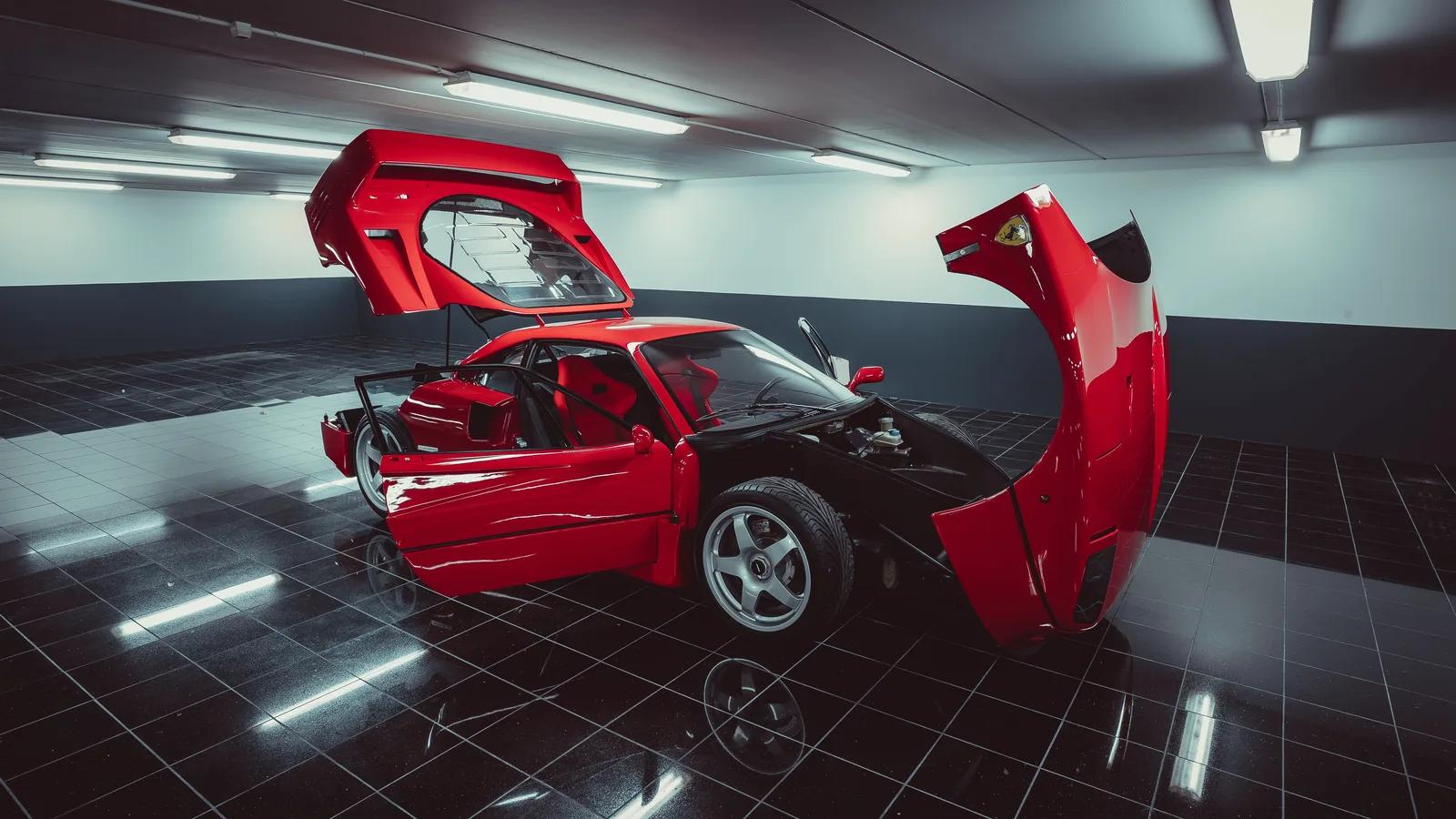

A modern classic is an enthusiast car from roughly the 1980s through the 2000s that people now buy for driving, design, or rarity rather than everyday transportation. There is no single official definition, so the smart way to buy one is to judge the specific car: confirm the VIN and paperwork, get an independent inspection, and value its originality and records over the badge on the hood.
What counts as a modern classic?
Ask five enthusiasts and you will get five answers. Most agree on a few traits:
- Era: usually the 1980s, 1990s, and 2000s. Old enough that clean examples are getting hard to find, new enough to have fuel injection, modern safety equipment, and often a 17-character VIN.
- Enthusiast appeal: performance models, homologation specials, limited editions, sports cars, and design icons. A plain commuter car from the same year usually doesn't qualify, though a rare, unusually clean one can.
- A following: owner clubs, forums, and steady demand for good examples.
"Modern classic" is a description, not a legal category. Collector insurance, "classic" or "historic" registration, and plate rules are set by each insurer and each state, and their age cutoffs differ. Check with yours before you assume a 25- or 30-year-old car qualifies for anything.
How buying a modern classic differs from buying an older classic
The basics are the same for a 1960s coupe and a 1990s sports car: paperwork, condition, and a fair deal. But modern classics bring their own checks.
Electronics and modules. Engine management, ABS, airbags, climate control, and power accessories all add things that can fail. Some parts for limited-production models are expensive or hard to find. Test every switch, warning light, and gauge, and ask an inspector to scan for stored fault codes.
Plastics, rubber, and interior trim. Many cars from this era used interior plastics, foam, and seals that age badly. Cracked dashboards, sticky surfaces, sagging headliners, and brittle hoses are common, and correct replacements can be hard to source for low-volume cars.
Originality vs. period modifications. A lot of 1980s–2000s enthusiast cars were modified when new: wheels, exhausts, tunes, suspension. Some buyers want them stock; others like a tasteful period build. Know which you are paying for. Ask whether original parts come with the car.
Records over mileage alone. Low miles look good, but a car that sat for years can need belts, fluids, tires, and seals right away. A thick folder of receipts and maintenance often tells you more than the odometer.
Recalls. Recall history matters for any modern car. NHTSA's free VIN lookup shows open safety recalls for many manufacturers. But NHTSA itself notes the search does not show recalls more than 15 years old (unless a manufacturer offers more coverage), or recalls from some small and ultra-luxury makers. For many modern classics, you will also need the owner's paperwork and a specialist.
A modern-classic buying checklist
- Match the VIN. It should match on the car, the title, and the listing. A modern VIN is 17 characters, and federal rules put a check digit in position 9.
- Read the title status and history. Ask the seller directly about title brands, accidents, and how long they have owned the car.
- Ask for records. Service invoices, original window sticker or build documents if they exist, and any recall or campaign paperwork.
- Book an independent pre-purchase inspection near the car, ideally with a specialist in that make. Include a fault-code scan and a test drive.
- Check originality. Compare the wheels, interior, engine bay, and options to factory spec. Note anything replaced or modified.
- Plan the boring parts: insured transport, a traceable payment method, and a written bill of sale.
- Walk away if the seller won't allow an inspection or pushes an unusual payment.
Modern classic or classic? It doesn't change the rules
Whether you are shopping for a 1960s convertible, a 1990s sports car, or a 2000s exotic, verification comes before money. If you are new to reading listings, our buyer guides show how to read a VIN and listing in detail. The Ferrari 360 guide covers a more modern exotic, and the classic Mustang guide covers an older classic.
Shopping modern classics on RareCars.com
RareCars.com is a marketplace for collectible, classic, exotic and rare cars, run from Silicon Valley, California, and that includes modern enthusiast cars. You talk to the seller directly by calling the dealer or sending a message from the car page.
A listing review is not an inspection or an authentication, so the checklist above still applies to every car you consider. When you're ready, browse cars for sale on RareCars.com or see answers to common questions.
Bottom line: a modern classic is defined less by its age than by why people want it. Buy the best-documented, most honest example you can find, and let paperwork and an independent inspection make the decision.
FAQ
Q1. What is a modern classic car? A modern classic is an enthusiast car, usually from the 1980s through the 2000s, that people now buy for driving, design, or rarity rather than daily use. There is no single official definition; it is a description, not a legal category.
Q2. Is a car from the 1990s considered a classic? It depends on who is asking. Many enthusiasts call desirable 1990s cars modern classics, but insurers and state registration rules each set their own age cutoffs. Check with your insurer and state before assuming a car qualifies for classic coverage or plates.
Q3. What should I check before buying a modern classic? Match the VIN on the car, title, and listing; ask about title status and history; review service records; get an independent pre-purchase inspection with a fault-code scan; and check which parts are original or modified.
Q4. Does NHTSA's recall lookup cover older modern classics? Only partly. NHTSA's free VIN lookup shows open safety recalls for many manufacturers, but it does not show recalls more than 15 years old (unless the manufacturer offers more coverage) or recalls from some small and ultra-luxury makers. Ask the seller for recall paperwork too.
Q5. Does RareCars.com list modern classics? Yes. RareCars.com lists collectible, classic, exotic and rare cars, including modern enthusiast cars. Buyers call the dealer or message the seller from the car page.
Photo credits
Photo: Sebastian Pichard (Pexels). Pexels License. Cropped and resized.
Ready to sell? Compare Private Sale, Dealer Sale and Fast Cash Offer.
Sell your car →