In this article
The Four Main Ways to Sell a Classic CarHow to Price a Classic CarClassic Car Listing Photo ChecklistPricing-Prep and Paperwork ChecklistHow to Write a Listing That SellsGetting Paid SafelySo, What Is the Best Place to Sell a Classic Car?Sell or Shop on RareCars.comFAQSelling a classic car is not like selling a daily driver. The right buyer may be three states away, the value depends on details a general buyer will never notice, and the way you present the car can move the final price more than almost anything else. The good news: in 2026, the best buyers for collector cars are shopping online.
This guide compares the main ways to sell a classic car online, explains how to price it, and gives you a checklist for photos, paperwork and safe payment. If you are wondering where to sell a classic car online, start here.
The Four Main Ways to Sell a Classic Car
Every option is a trade-off between price, speed, effort and risk. None is "best" for every car.
1. Private sale through an online listing
You list the car yourself on a marketplace or classifieds site, answer questions, show the car and handle the paperwork.
- Best for: owners who know their car well and want the most control over price.
- Pros: you set the asking price; you choose the buyer; the car's story comes directly from you.
- Cons: more of your time; you screen buyers and handle payment safely yourself.
2. Selling to (or consigning with) a specialist dealer
A dealer either buys the car outright or sells it for you on consignment.
- Best for: sellers who want a professional to handle presentation, buyers and paperwork.
- Pros: less work; a dealer's audience and reputation; outright purchase can be quick.
- Cons: an outright purchase is usually below retail, because the dealer needs room to recondition and resell; consignment takes longer and has fees.
3. Online auction
The car is listed for a set period and buyers bid against each other.
- Best for: rare, well-documented cars with strong demand and a clear story.
- Pros: competitive bidding can reward exceptional cars; a fixed end date.
- Cons: fees on the seller and/or buyer side; results can disappoint if the timing or presentation is off; reserves and relisting take time.
For sale now on RareCars.com: 1958 Chevrolet Impala, 1931 Ford Model A, 1978 Pontiac Firebird
Rare cars for sale →4. Fixed-price marketplace for collector cars
The car is listed at an asking price on a site built specifically for classic, exotic and collectible cars.
- Best for: sellers who want their car in front of enthusiast buyers without an auction clock.
- Pros: buyers on a specialist site are already looking for cars like yours; you keep control over price and negotiation.
- Cons: the right buyer may take some weeks to appear; the price has to be realistic.
Quick rule of thumb: if speed matters most, sell to a dealer. If price matters most and you have time, list it yourself on a specialist marketplace. If the car is truly exceptional and well documented, an auction can make sense.
How to Price a Classic Car
Overpricing is the most common reason a classic sits unsold. Underpricing is the most expensive mistake. Here is how to land in the right range:
- Find real comparable sales. Look for recent completed sales, not asking prices, of the same model, year range, body style and drivetrain. Asking prices tell you what sellers hope for; completed sales tell you what buyers pay.
- Grade your car honestly. Is it a driver, an excellent car, or a concours car? Ask a marque specialist for an outside opinion. Most owners grade their own car one level too high.
- Adjust for what makes your car different. Matching numbers, original paint, factory options, a desirable color combination, low documented mileage, one-family ownership and period race history can all add value. Non-original engines, modifications and gaps in history usually reduce it.
- Check the market's direction. Some segments are rising while others cool. Look at sales over the last 12 to 24 months, not just the latest headline result.
- Leave room to negotiate, but not so much that serious buyers skip your listing.
Example: "Sell my 1965 Porsche 356"
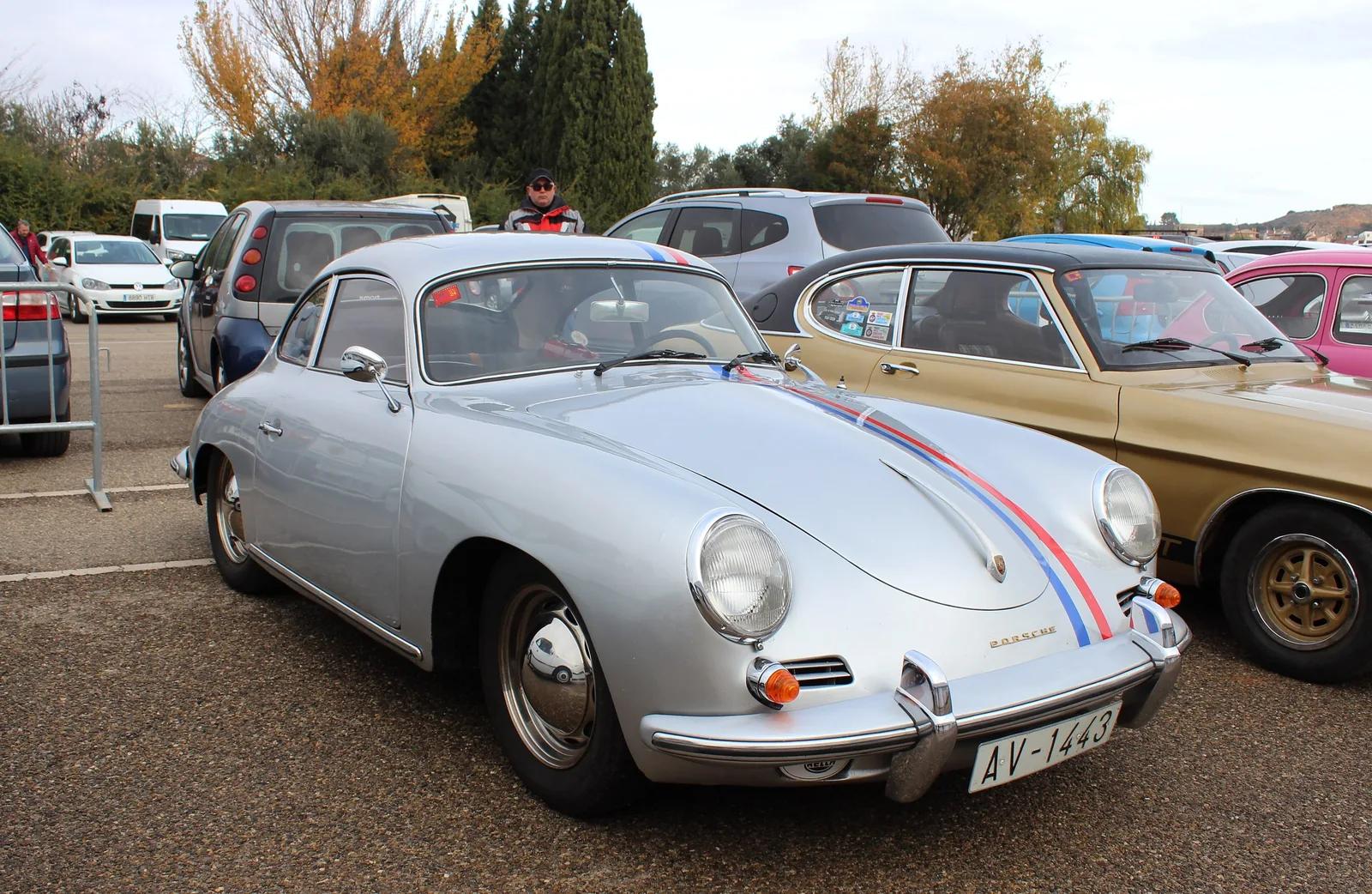
A 1965 Porsche 356 is a good example of why detail matters. The 356 was built from 1948 to 1965, and the final 356 C left the line in April 1965, which makes a 1965 car one of the last of the line. Porsche's own historical figures put total 356 production at roughly 76,000 to 78,000, depending on how the count is done. For a 356, buyers will ask about:
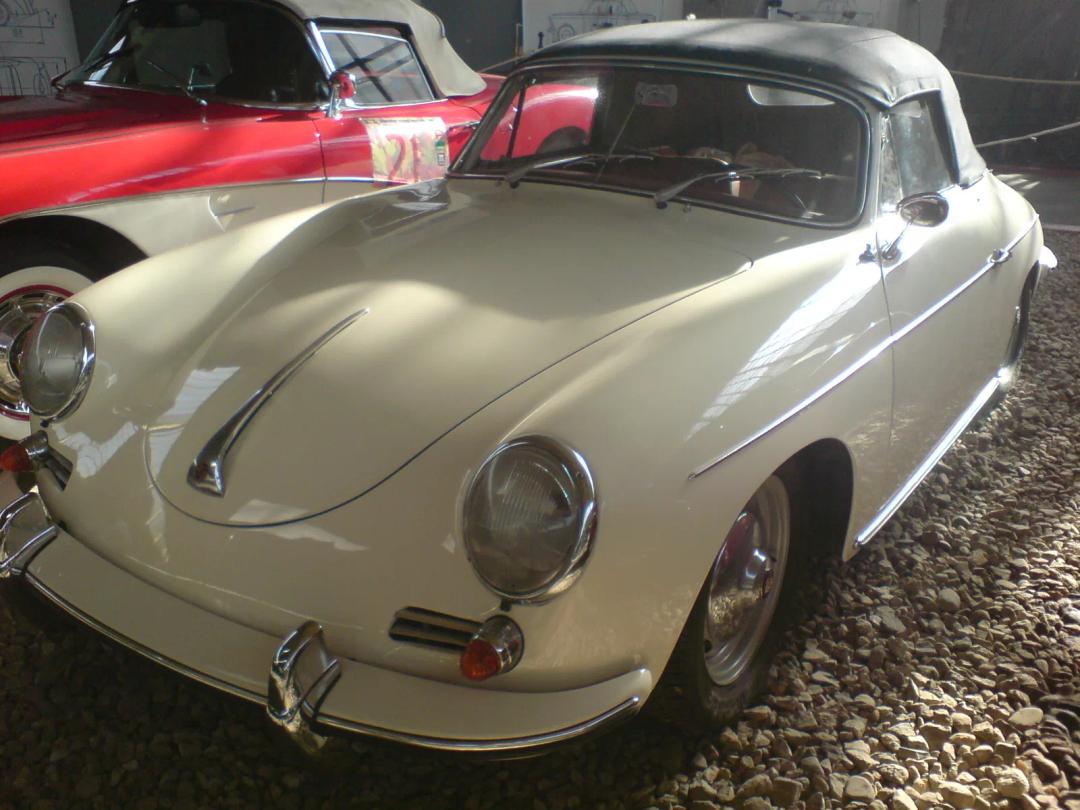
- Model and engine: a 356 C or SC and its engine type, and whether the engine is original to the car.
- Factory documentation: Porsche now offers a Porsche Production Specification, which lists original factory data such as production date, engine and transmission type, colors and options, and through Porsche Classic Partners a Classic Technical Certificate that includes an inspection. Having this paperwork in hand answers the first question every serious 356 buyer asks.
- Rust history and repairs, especially in the floors, longitudinals and battery box area.
- Ownership and service records.
The same principle applies to any collector car: the more you can prove, the more a buyer will pay.
Classic Car Listing Photo Checklist
Photos sell collector cars. Plan for 60 to 150 sharp, well-lit images, shot in open shade or soft light with nothing distracting in the background:
- Front three-quarter, rear three-quarter, both full sides, front and rear
- Close-ups of every wheel and tire (with date codes if possible)
- Full interior: dash, gauges with the engine running, seats, door cards, headliner, carpets
- Trunk, spare, tools and jack
- Engine bay from several angles, plus any numbers stamped on the engine or chassis
- Underside: floors, frame rails, suspension and exhaust (a lift helps)
- VIN plate and any data or option tags
- Known flaws: paint chips, cracks, wear (honesty builds trust)
- Documents: title (hide personal details), records, original window sticker or build sheet
- A short walkaround video and a cold-start video
Pricing-Prep and Paperwork Checklist
Before you list, gather:
- Clean title in your name (lien released if there was a loan)
- Service and restoration records, in date order
- Factory documentation where available (build sheets, certificates, marque registry entries)
- Recent pre-sale inspection or compression test results
- List of known issues, in writing
- Comparable sales you used to set the price
- Bill of sale template ready (California uses the REG 135 Bill of Sale)
- State-specific forms. In California, sellers must file a Notice of Transfer and Release of Liability within 5 days of the sale. Gasoline cars from model year 1975 and older are exempt from smog checks, but newer cars generally need a valid smog certificate from the seller. See our full guide to selling a classic car in California.
How to Write a Listing That Sells
- Lead with the facts: year, make, model, body style, engine, transmission, mileage, color and interior.
- Tell the car's story: how long you have owned it, where it lived, what was done and by whom (shop names, not just "restored").
- Be upfront about flaws. Buyers trust sellers who point out the scratches before they find them.
- Answer questions quickly and publicly where the platform allows it. Fast, detailed answers keep serious buyers engaged.
Getting Paid Safely
Classic cars are high-value items, and scammers know it. The FTC and FBI warn sellers about:
- Overpayment scams: a "buyer" sends a check for more than the price and asks you to wire back the difference. The check later bounces, and you may owe your bank. Never refund an overpayment.
- Fake escrow sites: never use an escrow service a buyer insists on. If you use escrow, find and verify a reputable provider yourself.
- Pressure tactics: urgency, unusual payment methods (gift cards, money orders) and buyers who won't talk on the phone are red flags.
Safe options include a bank wire that has cleared into your account, or meeting at the buyer's bank to watch a cashier's check being issued. Release the car and title only once funds are confirmed. If you are targeted, report it at ReportFraud.ftc.gov and ic3.gov.
So, What Is the Best Place to Sell a Classic Car?
The best place to sell a classic car is wherever qualified enthusiast buyers are already shopping for cars like yours, with a selling format that matches your priorities. For most owners, that means a specialist collector-car marketplace, supported by great photos, honest grading and complete paperwork.
Sell or Shop on RareCars.com
RareCars.com is a marketplace built only for collectible, classic, exotic and rare cars, so the buyers browsing it are already looking for special cars. If you are ready to sell, start at rarecars.com/sell to see your options for listing your car.
And if you are selling one classic to make room for the next, see what is available now.
Browse rare and classic cars for sale on RareCars.com →
FAQ
What is the best way to sell a classic car online?
It depends on your priorities. Dealers are fastest, private listings on a specialist marketplace usually give you the most control over price, and auctions can suit exceptional, well-documented cars.
How do I find out what my classic car is worth?
Compare recent completed sales of the same model in similar condition, adjust for originality, documentation and options, and get an honest condition grade from a marque specialist.
What paperwork do I need to sell a classic car in California?
A clean title, a bill of sale, a Notice of Transfer and Release of Liability filed within 5 days, and a smog certificate for vehicles newer than model year 1975 (gasoline).
Ready to sell? Compare Private Sale, Dealer Sale and Fast Cash Offer.
Sell your car →