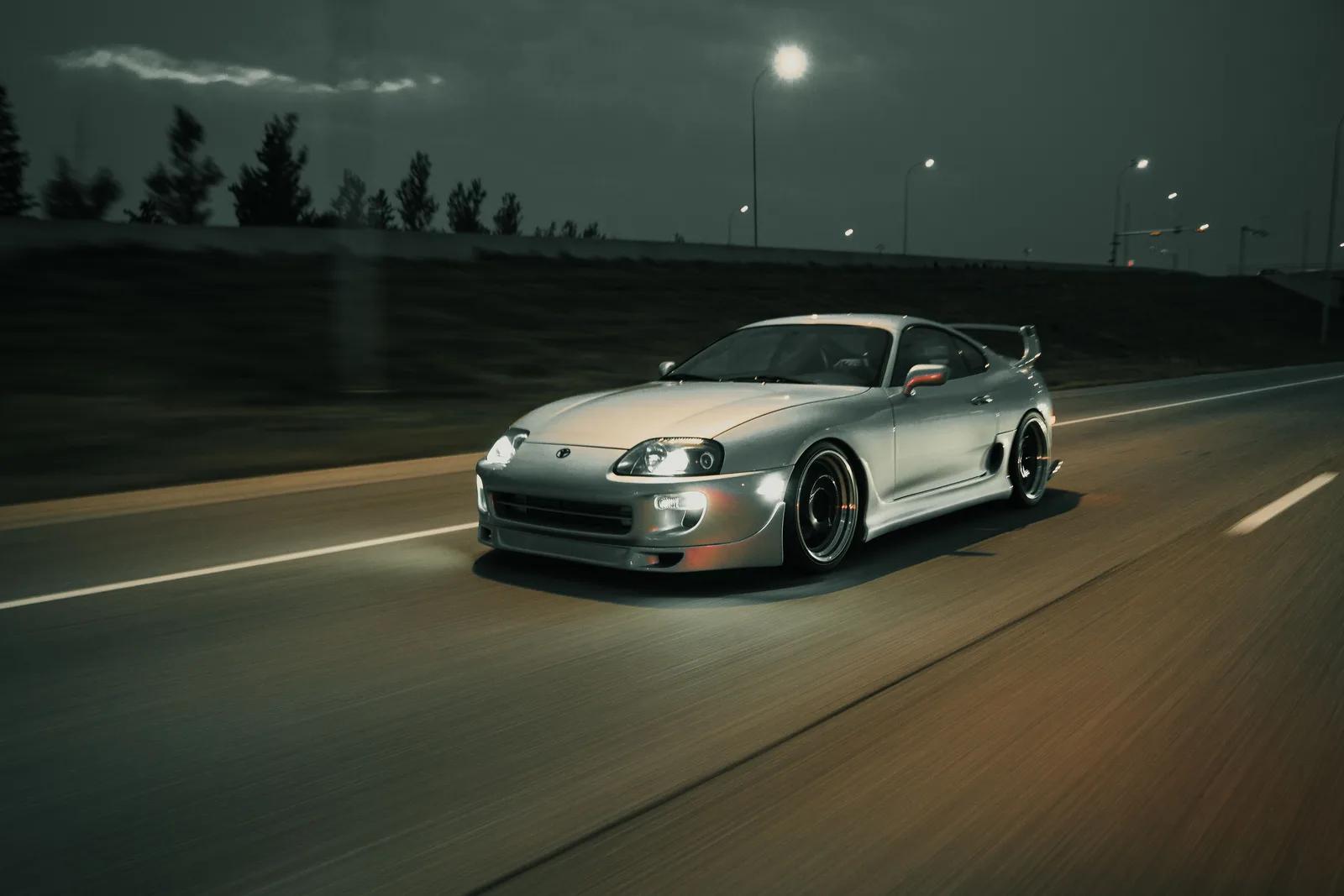
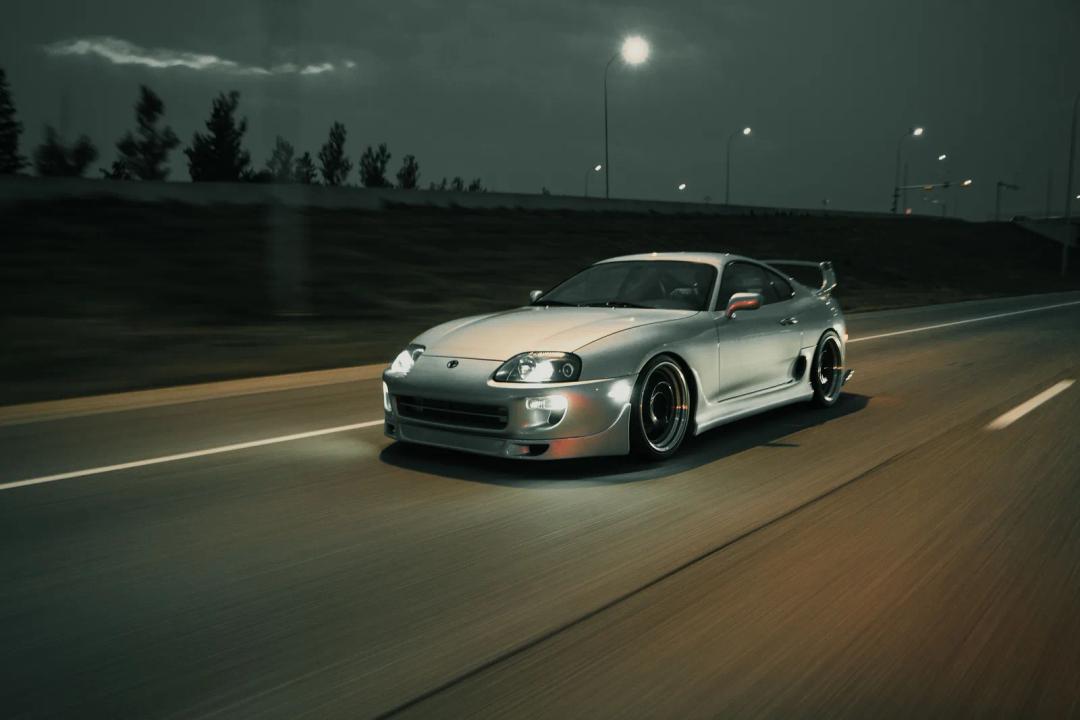
To sell a modern classic from the 1980s, 1990s or 2000s, gather proof before you list. That means a clean title in your name, the VIN, service records that back up the mileage, and a list of anything that has been modified or replaced. Then photograph the car the way an enthusiast buyer will inspect it: every angle, the gauges running with no warning lights, the engine bay, the underside and the paperwork. Enthusiast buyers of these cars care most about history and originality, and documents are how you show both.
Why selling a modern classic is different
Modern classics sit between two worlds. They are old enough that clean, unmodified examples are getting hard to find. But they are new enough that buyers expect modern-car evidence: a 17-character VIN, a history report, working electronics. A buyer looking at a 1990s sports car will often ask harder questions than a buyer looking at a 1960s convertible. Many of these cars were modified, tracked or daily-driven for years before anyone saw them as collectible. (New to the term? See What Is a Modern Classic Car?)
The documents buyers ask for
1. Title and registration. The name on the title should match yours. If there is a lien, know how it will be paid off before you list. A lost title slows everything down, so apply for a duplicate first.
2. The VIN, matched everywhere. Cars from the 1981 model year on carry a standard 17-character VIN. Check that the VIN on the dashboard plate, the door-jamb label and the title all agree. Serious buyers will run it through a title-history service such as a report from the federal National Motor Vehicle Title Information System (NMVTIS), so it's better to know what it says first.
3. Records that prove the mileage. This matters more for modern classics than most sellers realize. Under federal rules, cars from the 2010 model year and older are exempt from federal odometer disclosure at sale. Model year 2011 and newer cars must carry a disclosure for their first 20 years. Your title may therefore show the mileage as exempt or not recorded, and a buyer can't rely on it. Service invoices, inspection or registration records with dated odometer readings, and old photos of the gauges become your mileage story. Put them in date order.
4. Service and maintenance history. Lead with the big jobs owners of your model worry about, such as belts, clutch, cooling system and suspension bushings, with dates and mileage. A one-page summary on top of the receipts helps buyers more than a loose box of papers.
5. Originality records. If you have the window sticker, original sales paperwork, build or option documents, or a manufacturer certificate, include them. They help a buyer confirm the factory color, options and drivetrain.
6. A modification list, and the original parts. Period wheels, exhausts, intakes, tunes and suspension are common on 1980s–2000s enthusiast cars. Some buyers want a stock car; others like a tasteful period build. Either way, buyers trust a seller who lists every change. If you kept the original parts, say so, and include them if you can.
7. Recall and campaign paperwork. Buyers often check NHTSA's free recall lookup. NHTSA notes that it does not show recalls more than 15 years old (unless a manufacturer offers longer coverage), or recalls from some small and ultra-luxury makers. Your own dealer invoices showing recall work fill that gap.
8. The small things that signal a cared-for car: all keys and remotes, any radio or security codes, owner's manuals, the tool kit, the spare and the jack.
The photos buyers want
Shoot in even daylight or an uncluttered garage, with the car clean. Take more photos than you think you need:
- Exterior: front, rear, both sides and all four three-quarter angles, plus close-ups of panel gaps, badges and wheels.
- Paint and body truth: any chips, scratches, dents or rust, photographed honestly. Buyers find them anyway. Showing them first builds trust.
- Gauges running: ignition on and engine running, so buyers can see the odometer and that no warning lights stay lit.
- Interior wear points: driver's seat bolster, steering wheel, shifter, dashboard top, headliner and door cards. These are the trim parts that commonly age on cars from this era.
- Engine bay: a clean overall shot, plus close-ups of any modified parts.
- Underside: frame rails, floors, exhaust and suspension, if you can safely get the angle or have a shop lift it.
- Documents: the VIN plate, door-jamb label, title (personal details covered), service binder and window sticker.
- Video: a cold start and a short walkaround answer a lot of questions before a buyer calls.
Before you list: a quick prep checklist
- Fix small, cheap things that make a car look neglected: bulbs, wiper blades, a dead key-fob battery.
- Have a trusted shop scan for stored fault codes and note the results. Knowing your car's condition helps you answer questions honestly.
- Don't hide modifications, and don't rush to undo them. Disclose them and let buyers decide.
- Check your state's rules for the transfer, such as smog, safety inspection or release-of-liability filings. California sellers can start with our California selling guide.
- Plan how you will handle inspections, test drives and payment before the first call. Our guide to where to sell a classic car online covers safe payment, and our cash offer vs. listing vs. auction piece compares the selling options.
Write the listing like an enthusiast would read it
Open with the exact year, make, model and trim. Then cover ownership history, mileage and how you can prove it, the service highlights, originality, and every modification. Describe flaws in plain language. A clear, honest listing with strong documents will usually draw better questions from more serious buyers.
Listing a modern classic on RareCars.com
RareCars.com is a marketplace for collectible, classic, exotic and rare cars, run from Silicon Valley, California, and modern classics from the 1980s through the 2000s are a big part of it. When your documents and photos are ready, you can list your car on RareCars.com.
FAQ
1. What documents do I need to sell a 1990s or 2000s enthusiast car? A title in your name (with a lien release if there was a loan), a VIN that matches the car and the title, service records in date order, a list of modifications, and any originality paperwork such as the window sticker. Keys, manuals and recall invoices help too.
2. How do I prove the mileage on a car from 2010 or older? Use dated records. Federal rules exempt model year 2010 and older cars from odometer disclosure at sale, so the title may not state the actual mileage. Service invoices, inspection or registration records with odometer readings, and dated gauge photos build a mileage history buyers can check.
3. Will modifications hurt my modern classic's sale? It depends on the buyer. Some want a stock car; others like a tasteful period build. What hurts most is not disclosing changes. List every modification, say whether the original parts come with the car, and let buyers decide.
4. What photos should I take to sell a modern classic online? All exterior angles and close-ups, honest shots of any damage, the gauges with the engine running and no warning lights, interior wear points, the engine bay, the underside if possible, the VIN labels and the paperwork. A cold-start video helps.
5. Can I list a 1980s–2000s car on RareCars.com? Yes. RareCars.com lists collectible, classic, exotic and rare cars, including modern classics from the 1980s through the 2000s. You can start at rarecars.com/sell.
Ready to sell? Compare Private Sale, Dealer Sale and Fast Cash Offer.
Sell your car →